
Colorati momenti di gioia con https://mmmkids.it e proposte originali per i più piccoli

Colorati momenti di gioia con https://mmmkids.it e proposte originali per i più piccoli

Nel mondo in continua evoluzione dell'infanzia, trovare prodotti sicuri, stimolanti e di alta qualità è una priorità per ogni genitore. https://mmmkids.it si pone come un punto di riferimento per chi è alla ricerca di soluzioni innovative e originali per i più piccoli, offrendo un'ampia gamma di articoli selezionati con cura per rispondere alle diverse esigenze dei bambini e delle loro famiglie. L'obiettivo è quello di accompagnare i bambini nella loro crescita, promuovendo il loro sviluppo attraverso il gioco e l'apprendimento.

La scelta di un giocattolo o di un articolo per l'infanzia non è mai casuale. Richiede attenzione, ricerca e la consapevolezza che ogni oggetto può avere un impatto significativo sulla vita di un bambino. Per questo motivo, https://mmmkids.it si impegna a offrire un catalogo costantemente aggiornato, con prodotti provenienti da aziende affidabili e che rispettano rigorosi standard di sicurezza. L'assortimento include una vasta selezione di giocattoli educativi, articoli per la cura della persona, abbigliamento confortevole e pratici accessori per la casa e il tempo libero, tutti pensati per rendere l'esperienza dell'infanzia ancora più gioiosa e ricca di emozioni.

Il Mondo dei Giocattoli Educativi: Stimolare la Creatività e l'Apprendimento

I giocattoli educativi rappresentano uno strumento fondamentale per lo sviluppo cognitivo, emotivo e sociale dei bambini. Attraverso il gioco, i bambini imparano a esplorare il mondo che li circonda, a risolvere problemi, a sviluppare la loro creatività e a interagire con gli altri. https://mmmkids.it offre una vasta selezione di giocattoli educativi progettati per stimolare l'apprendimento in modo divertente e coinvolgente, adatti a diverse fasce d'età e interessi. Dai classici blocchi da costruzione ai giochi di ruolo, passando per i puzzle, i giochi di logica e i kit scientifici, ogni prodotto è pensato per incoraggiare i bambini a sperimentare, a scoprire e a crescere.

L'Importanza del Gioco di Ruolo nello Sviluppo del Bambino

Il gioco di ruolo è una forma di gioco particolarmente importante per lo sviluppo del bambino, in quanto gli permette di esprimere la propria immaginazione, di esplorare diverse identità e di comprendere meglio il mondo che lo circonda. Attraverso il gioco di ruolo, i bambini imparano a comunicare, a collaborare, a negoziare e a risolvere conflitti, sviluppando importanti competenze sociali ed emotive. https://mmmkids.it propone una vasta gamma di giochi di ruolo, come cucine giocattolo, set da dottore, strumenti musicali e costumi, che permettono ai bambini di impersonare diversi personaggi e di creare le proprie storie, stimolando la loro creatività e la loro immaginazione. Questi giochi non sono solo divertenti, ma contribuiscono anche a rafforzare il legame affettivo tra genitori e figli, offrendo occasioni di gioco condiviso e di apprendimento reciproco.

Tipologia di Giocattolo Fascia d'Età Consigliata Benefici per lo Sviluppo
Blocchi da costruzione 2+ anni Sviluppo della motricità fine, della coordinazione occhio-mano, del pensiero logico e della creatività.
Puzzle 3+ anni Sviluppo delle capacità di problem solving, della concentrazione, della memoria e della percezione spaziale.
Giochi di ruolo 3+ anni Sviluppo delle competenze sociali, emotive, linguistiche e della capacità di immaginazione.
Kit scientifici 6+ anni Sviluppo della curiosità scientifica, del pensiero critico, della capacità di osservazione e di sperimentazione.

La qualità dei materiali utilizzati nella produzione dei giocattoli è un aspetto fondamentale da considerare. https://mmmkids.it seleziona attentamente i prodotti, privilegiando quelli realizzati con materiali atossici, resistenti e sicuri per i bambini, garantendo la loro salute e il loro benessere.

Abbigliamento per Bambini: Comfort, Qualità e Stile

L'abbigliamento per bambini deve essere confortevole, pratico e sicuro, in grado di proteggere la delicata pelle dei più piccoli e di permettere loro di muoversi liberamente. https://mmmkids.it offre una vasta selezione di abbigliamento per bambini di tutte le età, realizzato con tessuti di alta qualità, morbidi e traspiranti, che rispettano la pelle e garantiscono il massimo comfort. La collezione include capi per tutte le occasioni, dall'abbigliamento casual per il tempo libero a quello più elegante per le cerimonie, con un'attenzione particolare ai dettagli e alle tendenze del momento. L'obiettivo è quello di offrire ai genitori la possibilità di vestire i loro bambini con stile, senza rinunciare alla praticità e alla sicurezza.

Come Scegliere l'Abbigliamento più Adatto al Tuo Bambino

La scelta dell'abbigliamento per bambini richiede attenzione a diversi fattori, come la taglia, il tessuto, il modello e la vestibilità. È importante scegliere capi della taglia giusta, che non siano né troppo stretti né troppo larghi, per permettere al bambino di muoversi liberamente e di sentirsi a proprio agio. I tessuti devono essere naturali e traspiranti, come il cotone, il lino o la lana, per evitare irritazioni e allergie. I modelli devono essere semplici e pratici, con chiusure facili da aprire e da chiudere. Infine, è importante controllare sempre le etichette per accertarsi che l'abbigliamento sia conforme alle normative di sicurezza vigenti.

  • Scegli tessuti naturali e traspiranti.
  • Verifica che le cuciture siano piatte e non irritino la pelle.
  • Opta per capi con chiusure facili da aprire e da chiudere.
  • Controlla che l'abbigliamento sia conforme alle normative di sicurezza.

L'abbigliamento proposto da https://mmmkids.it è progettato per resistere all'usura e ai lavaggi frequenti, mantenendo intatte le proprie caratteristiche nel tempo. I colori sono vivaci e resistenti, i tessuti sono morbidi e confortevoli, e i modelli sono alla moda e originali, per soddisfare le esigenze dei genitori più esigenti.

Articoli per la Cura della Persona: Igiene e Benessere per i Più Piccoli

La cura della persona è un aspetto fondamentale per la salute e il benessere dei bambini. https://mmmkids.it offre una vasta selezione di articoli per la cura della persona, come prodotti per l'igiene personale, cosmetici naturali, accessori per la cura dei capelli e del corpo, tutti progettati per rispettare la delicata pelle dei bambini e per garantire la loro igiene e il loro benessere. I prodotti sono formulati con ingredienti naturali e delicati, privi di sostanze chimiche aggressive, e sono dermatologicamente testati per minimizzare il rischio di allergie e irritazioni. L'obiettivo è quello di offrire ai genitori la possibilità di prendersi cura dei propri bambini in modo sicuro e naturale.

Routine di Igiene per il Tuo Bambino: Consigli Pratici

Stabilire una routine di igiene quotidiana è importante per abituare i bambini a prendersi cura di sé e per promuovere la loro salute e il loro benessere. La routine dovrebbe includere il lavaggio delle mani, il bagnetto, la cura dei denti e la pulizia del pannolino. È importante utilizzare prodotti specifici per bambini, delicati e rispettosi della loro pelle. Durante il bagnetto, è consigliabile utilizzare acqua tiepida e un sapone neutro, evitando di strofinare troppo energicamente la pelle. Dopo il bagnetto, è importante asciugare accuratamente il bambino, prestando particolare attenzione alle pieghe cutanee. La cura dei denti dovrebbe iniziare fin dalla comparsa del primo dentino, utilizzando uno spazzolino da denti a setole morbide e un dentifricio specifico per bambini.

  1. Lava le mani del tuo bambino regolarmente, soprattutto prima dei pasti e dopo aver usato il bagno.
  2. Fai il bagnetto al tuo bambino con acqua tiepida e un sapone neutro.
  3. Cura i denti del tuo bambino fin dalla comparsa del primo dentino.
  4. Cambia regolarmente il pannolino del tuo bambino.

La gamma di prodotti per la cura della persona offerta da https://mmmkids.it include anche accessori utili, come spazzole per capelli, spugne naturali, fasce per capelli e asciugamani morbidi, tutti pensati per rendere la routine di igiene più facile e piacevole sia per i bambini che per i genitori.

Accessori per la Casa e il Tempo Libero: Praticità e Sicurezza per la Vita di Tutti i Giorni

Per rendere la vita di tutti i giorni più facile e sicura, https://mmmkids.it offre una vasta selezione di accessori per la casa e il tempo libero, come seggioloni, passeggini, lettini, seggiolini auto, giochi da esterno e articoli per la protezione solare. Tutti i prodotti sono progettati per garantire la massima sicurezza e praticità, rispettando rigorosi standard di qualità e conformità. L'obiettivo è quello di offrire ai genitori soluzioni innovative e affidabili per rispondere alle diverse esigenze della vita familiare, permettendo loro di godersi appieno ogni momento con i propri bambini.

Novità e Tendenze nel Mondo dell'Infanzia: Il Futuro è Qui

Il mondo dell'infanzia è in continua evoluzione, con nuove tendenze e innovazioni che emergono ogni giorno. https://mmmkids.it è sempre attento a individuare le ultime novità e a proporle ai propri clienti, offrendo un'ampia selezione di prodotti all'avanguardia e di design, che rispondono alle esigenze dei bambini di oggi e di domani. La piattaforma e-commerce è costantemente aggiornata con nuovi articoli, promozioni e offerte speciali, per garantire ai genitori la possibilità di trovare sempre ciò che cercano al miglior prezzo. In particolare, la crescente attenzione verso la sostenibilità ambientale ha portato all’introduzione di una linea di prodotti realizzati con materiali riciclati e a basso impatto ambientale, dimostrando l’impegno di https://mmmkids.it verso un futuro più sostenibile per i bambini e per il pianeta.

L'analisi costante dei feedback dei clienti e delle evoluzioni del mercato permette a https://mmmkids.it di migliorare continuamente la propria offerta, proponendo prodotti sempre più innovativi, sicuri ed efficaci. L’attenzione alla personalizzazione dell’esperienza di acquisto, con consigli mirati e un servizio clienti attento e disponibile, contribuisce a creare un rapporto di fiducia e di collaborazione con i genitori, rendendo https://mmmkids.it un partner affidabile per accompagnare i bambini nella loro crescita.
Devamı

Significant_stories_and_news_impacting_global_communities_today

Significant stories and news impacting global communities today

The constant flow of information characterizes the modern era, and staying informed about current events is more critical than ever. The consumption of news, whether through traditional media outlets or digital platforms, shapes our understanding of the world and influences our perspectives on complex issues. From geopolitical shifts and economic fluctuations to scientific breakthroughs and cultural trends, the ability to access timely and accurate updates is essential for informed decision-making. This impacts individuals, communities, and global affairs on a daily basis, creating both challenges and opportunities.

However, the landscape of information is increasingly fragmented and often riddled with misinformation. The proliferation of social media and the rise of citizen journalism, while offering alternative viewpoints, also present challenges related to source credibility and verification. Navigating this complex environment requires critical thinking skills and a discerning approach to information consumption. Understanding the role of media bias, recognizing manipulative techniques, and seeking diverse sources of information are fundamental for building a well-rounded and informed worldview. The responsibility lies not only with media providers but also with individuals to actively engage in the process of seeking truth and understanding.

Global Economic Trends and Their Impact

The global economy is a complex web of interconnected systems, and shifts in one region can have far-reaching consequences for the entire world. Recent trends, including fluctuations in energy prices, supply chain disruptions, and rising inflation, are creating significant challenges for businesses and consumers alike. A slowdown in economic growth in major economies like the United States and China is also contributing to uncertainty and volatility in financial markets. Furthermore, geopolitical tensions, such as the ongoing conflict in Ukraine, are exacerbating these economic pressures. These combined factors demand careful monitoring and proactive policy responses from governments and international organizations to mitigate potential risks.

Central banks around the world are responding to inflation by raising interest rates, a move intended to curb spending and cool down overheated economies. However, higher interest rates can also lead to slower economic growth and increased unemployment. Finding the right balance between controlling inflation and maintaining economic stability is a delicate act. The International Monetary Fund (IMF) has repeatedly warned the risk of a global recession, urging countries to implement responsible fiscal policies and cooperate on international economic issues. The effectiveness of these policies will largely depend on the specific circumstances of each country and the degree to which they can work together to address shared challenges.

The Role of Emerging Markets

Emerging markets are playing an increasingly important role in the global about economy. Countries like India, Brazil, and Indonesia are experiencing rapid economic growth and attracting significant investment. However, these markets also face unique challenges, including political instability, infrastructure deficits, and income inequality. Successfully navigating these challenges will be crucial for unlocking the full potential of emerging markets and ensuring that their growth benefits all segments of society. Investing in education, healthcare, and infrastructure will be essential for fostering sustainable and inclusive development.

Furthermore, the rise of a global middle class in emerging markets is creating new opportunities for businesses. These consumers represent a growing source of demand for goods and services, offering significant potential for companies that can effectively tailor their products and marketing strategies to local preferences. However, cultural sensitivity and an understanding of local business practices are vital for success. Building strong relationships with local partners and stakeholders is also crucial for establishing a sustainable presence in emerging markets.

Country GDP Growth Rate (2023 est.)
United States 1.6%
China 5.2%
India 6.3%
Brazil 2.9%

The data presented highlights the varying economic trajectories of key global players, demonstrating the uneven nature of economic recovery and growth in the post-pandemic world. The differing growth rates underscore the importance of specific national policies and global economic conditions.

Advancements in Science and Technology

The pace of scientific and technological advancement continues to accelerate, driving innovation across a wide range of fields. Recent breakthroughs in areas like artificial intelligence (AI), biotechnology, and renewable energy are poised to revolutionize the way we live and work. AI, in particular, is rapidly transforming industries, from healthcare and finance to transportation and manufacturing. The development of more powerful and sophisticated AI algorithms is enabling machines to perform tasks that were once thought to be exclusively within the realm of human intelligence. The ethical implications of AI are also gaining increasing attention, as concerns grow about its potential impact on employment, privacy, and security.

Biotechnology is also making significant strides, with new therapies and diagnostic tools being developed to combat diseases and improve human health. Gene editing technologies, such as CRISPR, hold immense promise for treating genetic disorders, but also raise ethical questions about the potential for unintended consequences. The development of personalized medicine, tailored to an individual’s genetic makeup, is becoming increasingly feasible, offering the potential for more effective and targeted treatments. Continued investment in research and development will be crucial for unlocking the full potential of biotechnology.

The Future of Renewable Energy

The transition to a sustainable energy future is gaining momentum, driven by growing concerns about climate change and the depletion of fossil fuels. Renewable energy sources, such as solar, wind, and geothermal, are becoming increasingly cost-competitive with traditional energy sources. Advancements in battery storage technology are also addressing the intermittency challenges associated with renewable energy, making it more reliable and accessible. Governments around the world are implementing policies to incentivize the development and deployment of renewable energy, including tax credits, subsidies, and renewable energy standards.

However, significant challenges remain in scaling up renewable energy infrastructure to meet global energy demand. Upgrading grid infrastructure to accommodate intermittent renewable energy sources and ensuring a stable and secure energy supply are critical priorities. Investing in research and development to improve the efficiency and affordability of renewable energy technologies is also essential. International cooperation and knowledge sharing will be vital for accelerating the transition to a sustainable energy future.

  • Solar energy costs have decreased dramatically in the past decade.
  • Wind energy is now a significant source of electricity in many countries.
  • Battery storage technology is rapidly improving.
  • Government policies are playing a key role in promoting renewable energy adoption.

These bullet points summarize the progress and key drivers within the renewable energy sector, illustrating its potential and current advancements.

Shifting Geopolitical Landscapes

The global geopolitical landscape is undergoing a period of significant change, characterized by rising tensions between major powers and the emergence of new regional conflicts. The war in Ukraine has fundamentally altered the security architecture of Europe, prompting a reassessment of defense strategies and alliances. The increasing assertiveness of China is also challenging the existing international order, leading to increased competition in areas such as trade, technology, and military influence. Addressing these geopolitical challenges requires a nuanced and collaborative approach, based on diplomacy, dialogue, and respect for international law. Ignoring the complexities will only invite further instability.

The rise of non-state actors, such as terrorist groups and transnational criminal organizations, is also posing a significant threat to global security. These groups often operate across borders, exploiting vulnerabilities in weak states and taking advantage of ungoverned spaces. Combating these threats requires a coordinated international response, including intelligence sharing, law enforcement cooperation, and efforts to address the underlying causes of radicalization and violent extremism. Building the capacity of local communities to resist extremist ideologies is also crucial.

The Impact of Climate Change on Geopolitics

Climate change is increasingly recognized as a major geopolitical risk, exacerbating existing tensions and creating new sources of conflict. Competition for scarce resources, such as water and arable land, is likely to intensify as climate change impacts become more severe. Climate-induced migration and displacement could also lead to political instability and humanitarian crises. Addressing climate change requires a concerted global effort, based on the principles of equity and shared responsibility. Developed countries have a particular obligation to provide financial and technological assistance to developing countries to help them mitigate and adapt to the impacts of climate change.

Furthermore, climate change is creating new security threats, such as rising sea levels, extreme weather events, and disruptions to food production. These threats could overwhelm the capacity of states to respond, leading to state failure and increased vulnerability to external interference. Integrating climate change considerations into security planning and decision-making is essential for building resilience and preventing future conflicts. International cooperation on climate security is also vital for addressing these complex challenges.

  1. Strengthen international cooperation on climate change mitigation and adaptation.
  2. Invest in climate-resilient infrastructure.
  3. Address the root causes of climate-induced migration and displacement.
  4. Integrate climate change considerations into security planning.

The steps outlined above represent a roadmap for addressing the geopolitical challenges posed by climate change.

The Evolving Role of Social Media and Information Consumption

Social media platforms have become increasingly dominant forces in shaping public opinion and disseminating information. While these platforms offer numerous benefits, such as connecting people and facilitating the exchange of ideas, they also present significant challenges related to misinformation, echo chambers, and political polarization. The spread of fake news and disinformation can undermine trust in institutions and erode democratic processes. Algorithms that prioritize engagement over accuracy can create echo chambers, where users are only exposed to information that confirms their existing beliefs. These phenomena require critical attention and proactive measures to mitigate their negative consequences.

Efforts to combat misinformation include fact-checking initiatives, media literacy programs, and platform accountability measures. However, addressing this complex problem requires a multi-faceted approach that involves collaboration between governments, social media companies, and civil society organizations. Promoting media literacy and critical thinking skills is crucial for empowering individuals to discern between credible and unreliable sources of information. Holding social media platforms accountable for the content hosted on their platforms is also essential, while respecting freedom of expression.

Future Trends in Global Collaboration and Diplomacy

The interconnectedness of the modern world necessitates increased global collaboration and effective diplomacy to address shared challenges. Issues like climate change, pandemics, and economic instability require international cooperation to find sustainable solutions. Traditional multilateral institutions, such as the United Nations, are facing increasing challenges and require reform to adapt to the changing geopolitical landscape. New forms of collaboration, involving non-state actors and regional organizations, are also emerging. The success of these efforts will depend on the willingness of countries to prioritize shared interests over narrow national concerns and engage in constructive dialogue.

A renewed emphasis on preventative diplomacy and mediation is also crucial for resolving conflicts peacefully. Investing in early warning systems, strengthening conflict resolution mechanisms, and supporting local peacebuilding initiatives can help prevent disputes from escalating into violence. Promoting intercultural understanding and fostering empathy across different cultures and societies are also essential for building trust and fostering cooperation. The future of global peace and prosperity depends on our ability to work together to address the challenges facing humanity.

Devamı

Significant_stories_and_news_impacting_global_communities_today

Significant stories and news impacting global communities today

The constant flow of information characterizes the modern era, and staying informed about current events is more critical than ever. The consumption of news, whether through traditional media outlets or digital platforms, shapes our understanding of the world and influences our perspectives on complex issues. From geopolitical shifts and economic fluctuations to scientific breakthroughs and cultural trends, the ability to access timely and accurate updates is essential for informed decision-making. This impacts individuals, communities, and global affairs on a daily basis, creating both challenges and opportunities.

However, the landscape of information is increasingly fragmented and often riddled with misinformation. The proliferation of social media and the rise of citizen journalism, while offering alternative viewpoints, also present challenges related to source credibility and verification. Navigating this complex environment requires critical thinking skills and a discerning approach to information consumption. Understanding the role of media bias, recognizing manipulative techniques, and seeking diverse sources of information are fundamental for building a well-rounded and informed worldview. The responsibility lies not only with media providers but also with individuals to actively engage in the process of seeking truth and understanding.

Global Economic Trends and Their Impact

The global economy is a complex web of interconnected systems, and shifts in one region can have far-reaching consequences for the entire world. Recent trends, including fluctuations in energy prices, supply chain disruptions, and rising inflation, are creating significant challenges for businesses and consumers alike. A slowdown in economic growth in major economies like the United States and China is also contributing to uncertainty and volatility in financial markets. Furthermore, geopolitical tensions, such as the ongoing conflict in Ukraine, are exacerbating these economic pressures. These combined factors demand careful monitoring and proactive policy responses from governments and international organizations to mitigate potential risks.

Central banks around the world are responding to inflation by raising interest rates, a move intended to curb spending and cool down overheated economies. However, higher interest rates can also lead to slower economic growth and increased unemployment. Finding the right balance between controlling inflation and maintaining economic stability is a delicate act. The International Monetary Fund (IMF) has repeatedly warned the risk of a global recession, urging countries to implement responsible fiscal policies and cooperate on international economic issues. The effectiveness of these policies will largely depend on the specific circumstances of each country and the degree to which they can work together to address shared challenges.

The Role of Emerging Markets

Emerging markets are playing an increasingly important role in the global about economy. Countries like India, Brazil, and Indonesia are experiencing rapid economic growth and attracting significant investment. However, these markets also face unique challenges, including political instability, infrastructure deficits, and income inequality. Successfully navigating these challenges will be crucial for unlocking the full potential of emerging markets and ensuring that their growth benefits all segments of society. Investing in education, healthcare, and infrastructure will be essential for fostering sustainable and inclusive development.

Furthermore, the rise of a global middle class in emerging markets is creating new opportunities for businesses. These consumers represent a growing source of demand for goods and services, offering significant potential for companies that can effectively tailor their products and marketing strategies to local preferences. However, cultural sensitivity and an understanding of local business practices are vital for success. Building strong relationships with local partners and stakeholders is also crucial for establishing a sustainable presence in emerging markets.

Country GDP Growth Rate (2023 est.)
United States 1.6%
China 5.2%
India 6.3%
Brazil 2.9%

The data presented highlights the varying economic trajectories of key global players, demonstrating the uneven nature of economic recovery and growth in the post-pandemic world. The differing growth rates underscore the importance of specific national policies and global economic conditions.

Advancements in Science and Technology

The pace of scientific and technological advancement continues to accelerate, driving innovation across a wide range of fields. Recent breakthroughs in areas like artificial intelligence (AI), biotechnology, and renewable energy are poised to revolutionize the way we live and work. AI, in particular, is rapidly transforming industries, from healthcare and finance to transportation and manufacturing. The development of more powerful and sophisticated AI algorithms is enabling machines to perform tasks that were once thought to be exclusively within the realm of human intelligence. The ethical implications of AI are also gaining increasing attention, as concerns grow about its potential impact on employment, privacy, and security.

Biotechnology is also making significant strides, with new therapies and diagnostic tools being developed to combat diseases and improve human health. Gene editing technologies, such as CRISPR, hold immense promise for treating genetic disorders, but also raise ethical questions about the potential for unintended consequences. The development of personalized medicine, tailored to an individual’s genetic makeup, is becoming increasingly feasible, offering the potential for more effective and targeted treatments. Continued investment in research and development will be crucial for unlocking the full potential of biotechnology.

The Future of Renewable Energy

The transition to a sustainable energy future is gaining momentum, driven by growing concerns about climate change and the depletion of fossil fuels. Renewable energy sources, such as solar, wind, and geothermal, are becoming increasingly cost-competitive with traditional energy sources. Advancements in battery storage technology are also addressing the intermittency challenges associated with renewable energy, making it more reliable and accessible. Governments around the world are implementing policies to incentivize the development and deployment of renewable energy, including tax credits, subsidies, and renewable energy standards.

However, significant challenges remain in scaling up renewable energy infrastructure to meet global energy demand. Upgrading grid infrastructure to accommodate intermittent renewable energy sources and ensuring a stable and secure energy supply are critical priorities. Investing in research and development to improve the efficiency and affordability of renewable energy technologies is also essential. International cooperation and knowledge sharing will be vital for accelerating the transition to a sustainable energy future.

  • Solar energy costs have decreased dramatically in the past decade.
  • Wind energy is now a significant source of electricity in many countries.
  • Battery storage technology is rapidly improving.
  • Government policies are playing a key role in promoting renewable energy adoption.

These bullet points summarize the progress and key drivers within the renewable energy sector, illustrating its potential and current advancements.

Shifting Geopolitical Landscapes

The global geopolitical landscape is undergoing a period of significant change, characterized by rising tensions between major powers and the emergence of new regional conflicts. The war in Ukraine has fundamentally altered the security architecture of Europe, prompting a reassessment of defense strategies and alliances. The increasing assertiveness of China is also challenging the existing international order, leading to increased competition in areas such as trade, technology, and military influence. Addressing these geopolitical challenges requires a nuanced and collaborative approach, based on diplomacy, dialogue, and respect for international law. Ignoring the complexities will only invite further instability.

The rise of non-state actors, such as terrorist groups and transnational criminal organizations, is also posing a significant threat to global security. These groups often operate across borders, exploiting vulnerabilities in weak states and taking advantage of ungoverned spaces. Combating these threats requires a coordinated international response, including intelligence sharing, law enforcement cooperation, and efforts to address the underlying causes of radicalization and violent extremism. Building the capacity of local communities to resist extremist ideologies is also crucial.

The Impact of Climate Change on Geopolitics

Climate change is increasingly recognized as a major geopolitical risk, exacerbating existing tensions and creating new sources of conflict. Competition for scarce resources, such as water and arable land, is likely to intensify as climate change impacts become more severe. Climate-induced migration and displacement could also lead to political instability and humanitarian crises. Addressing climate change requires a concerted global effort, based on the principles of equity and shared responsibility. Developed countries have a particular obligation to provide financial and technological assistance to developing countries to help them mitigate and adapt to the impacts of climate change.

Furthermore, climate change is creating new security threats, such as rising sea levels, extreme weather events, and disruptions to food production. These threats could overwhelm the capacity of states to respond, leading to state failure and increased vulnerability to external interference. Integrating climate change considerations into security planning and decision-making is essential for building resilience and preventing future conflicts. International cooperation on climate security is also vital for addressing these complex challenges.

  1. Strengthen international cooperation on climate change mitigation and adaptation.
  2. Invest in climate-resilient infrastructure.
  3. Address the root causes of climate-induced migration and displacement.
  4. Integrate climate change considerations into security planning.

The steps outlined above represent a roadmap for addressing the geopolitical challenges posed by climate change.

The Evolving Role of Social Media and Information Consumption

Social media platforms have become increasingly dominant forces in shaping public opinion and disseminating information. While these platforms offer numerous benefits, such as connecting people and facilitating the exchange of ideas, they also present significant challenges related to misinformation, echo chambers, and political polarization. The spread of fake news and disinformation can undermine trust in institutions and erode democratic processes. Algorithms that prioritize engagement over accuracy can create echo chambers, where users are only exposed to information that confirms their existing beliefs. These phenomena require critical attention and proactive measures to mitigate their negative consequences.

Efforts to combat misinformation include fact-checking initiatives, media literacy programs, and platform accountability measures. However, addressing this complex problem requires a multi-faceted approach that involves collaboration between governments, social media companies, and civil society organizations. Promoting media literacy and critical thinking skills is crucial for empowering individuals to discern between credible and unreliable sources of information. Holding social media platforms accountable for the content hosted on their platforms is also essential, while respecting freedom of expression.

Future Trends in Global Collaboration and Diplomacy

The interconnectedness of the modern world necessitates increased global collaboration and effective diplomacy to address shared challenges. Issues like climate change, pandemics, and economic instability require international cooperation to find sustainable solutions. Traditional multilateral institutions, such as the United Nations, are facing increasing challenges and require reform to adapt to the changing geopolitical landscape. New forms of collaboration, involving non-state actors and regional organizations, are also emerging. The success of these efforts will depend on the willingness of countries to prioritize shared interests over narrow national concerns and engage in constructive dialogue.

A renewed emphasis on preventative diplomacy and mediation is also crucial for resolving conflicts peacefully. Investing in early warning systems, strengthening conflict resolution mechanisms, and supporting local peacebuilding initiatives can help prevent disputes from escalating into violence. Promoting intercultural understanding and fostering empathy across different cultures and societies are also essential for building trust and fostering cooperation. The future of global peace and prosperity depends on our ability to work together to address the challenges facing humanity.

Devamı

Significant_stories_and_news_impacting_global_communities_today

Significant stories and news impacting global communities today

The constant flow of information characterizes the modern era, and staying informed about current events is more critical than ever. The consumption of news, whether through traditional media outlets or digital platforms, shapes our understanding of the world and influences our perspectives on complex issues. From geopolitical shifts and economic fluctuations to scientific breakthroughs and cultural trends, the ability to access timely and accurate updates is essential for informed decision-making. This impacts individuals, communities, and global affairs on a daily basis, creating both challenges and opportunities.

However, the landscape of information is increasingly fragmented and often riddled with misinformation. The proliferation of social media and the rise of citizen journalism, while offering alternative viewpoints, also present challenges related to source credibility and verification. Navigating this complex environment requires critical thinking skills and a discerning approach to information consumption. Understanding the role of media bias, recognizing manipulative techniques, and seeking diverse sources of information are fundamental for building a well-rounded and informed worldview. The responsibility lies not only with media providers but also with individuals to actively engage in the process of seeking truth and understanding.

Global Economic Trends and Their Impact

The global economy is a complex web of interconnected systems, and shifts in one region can have far-reaching consequences for the entire world. Recent trends, including fluctuations in energy prices, supply chain disruptions, and rising inflation, are creating significant challenges for businesses and consumers alike. A slowdown in economic growth in major economies like the United States and China is also contributing to uncertainty and volatility in financial markets. Furthermore, geopolitical tensions, such as the ongoing conflict in Ukraine, are exacerbating these economic pressures. These combined factors demand careful monitoring and proactive policy responses from governments and international organizations to mitigate potential risks.

Central banks around the world are responding to inflation by raising interest rates, a move intended to curb spending and cool down overheated economies. However, higher interest rates can also lead to slower economic growth and increased unemployment. Finding the right balance between controlling inflation and maintaining economic stability is a delicate act. The International Monetary Fund (IMF) has repeatedly warned the risk of a global recession, urging countries to implement responsible fiscal policies and cooperate on international economic issues. The effectiveness of these policies will largely depend on the specific circumstances of each country and the degree to which they can work together to address shared challenges.

The Role of Emerging Markets

Emerging markets are playing an increasingly important role in the global about economy. Countries like India, Brazil, and Indonesia are experiencing rapid economic growth and attracting significant investment. However, these markets also face unique challenges, including political instability, infrastructure deficits, and income inequality. Successfully navigating these challenges will be crucial for unlocking the full potential of emerging markets and ensuring that their growth benefits all segments of society. Investing in education, healthcare, and infrastructure will be essential for fostering sustainable and inclusive development.

Furthermore, the rise of a global middle class in emerging markets is creating new opportunities for businesses. These consumers represent a growing source of demand for goods and services, offering significant potential for companies that can effectively tailor their products and marketing strategies to local preferences. However, cultural sensitivity and an understanding of local business practices are vital for success. Building strong relationships with local partners and stakeholders is also crucial for establishing a sustainable presence in emerging markets.

Country GDP Growth Rate (2023 est.)
United States 1.6%
China 5.2%
India 6.3%
Brazil 2.9%

The data presented highlights the varying economic trajectories of key global players, demonstrating the uneven nature of economic recovery and growth in the post-pandemic world. The differing growth rates underscore the importance of specific national policies and global economic conditions.

Advancements in Science and Technology

The pace of scientific and technological advancement continues to accelerate, driving innovation across a wide range of fields. Recent breakthroughs in areas like artificial intelligence (AI), biotechnology, and renewable energy are poised to revolutionize the way we live and work. AI, in particular, is rapidly transforming industries, from healthcare and finance to transportation and manufacturing. The development of more powerful and sophisticated AI algorithms is enabling machines to perform tasks that were once thought to be exclusively within the realm of human intelligence. The ethical implications of AI are also gaining increasing attention, as concerns grow about its potential impact on employment, privacy, and security.

Biotechnology is also making significant strides, with new therapies and diagnostic tools being developed to combat diseases and improve human health. Gene editing technologies, such as CRISPR, hold immense promise for treating genetic disorders, but also raise ethical questions about the potential for unintended consequences. The development of personalized medicine, tailored to an individual’s genetic makeup, is becoming increasingly feasible, offering the potential for more effective and targeted treatments. Continued investment in research and development will be crucial for unlocking the full potential of biotechnology.

The Future of Renewable Energy

The transition to a sustainable energy future is gaining momentum, driven by growing concerns about climate change and the depletion of fossil fuels. Renewable energy sources, such as solar, wind, and geothermal, are becoming increasingly cost-competitive with traditional energy sources. Advancements in battery storage technology are also addressing the intermittency challenges associated with renewable energy, making it more reliable and accessible. Governments around the world are implementing policies to incentivize the development and deployment of renewable energy, including tax credits, subsidies, and renewable energy standards.

However, significant challenges remain in scaling up renewable energy infrastructure to meet global energy demand. Upgrading grid infrastructure to accommodate intermittent renewable energy sources and ensuring a stable and secure energy supply are critical priorities. Investing in research and development to improve the efficiency and affordability of renewable energy technologies is also essential. International cooperation and knowledge sharing will be vital for accelerating the transition to a sustainable energy future.

  • Solar energy costs have decreased dramatically in the past decade.
  • Wind energy is now a significant source of electricity in many countries.
  • Battery storage technology is rapidly improving.
  • Government policies are playing a key role in promoting renewable energy adoption.

These bullet points summarize the progress and key drivers within the renewable energy sector, illustrating its potential and current advancements.

Shifting Geopolitical Landscapes

The global geopolitical landscape is undergoing a period of significant change, characterized by rising tensions between major powers and the emergence of new regional conflicts. The war in Ukraine has fundamentally altered the security architecture of Europe, prompting a reassessment of defense strategies and alliances. The increasing assertiveness of China is also challenging the existing international order, leading to increased competition in areas such as trade, technology, and military influence. Addressing these geopolitical challenges requires a nuanced and collaborative approach, based on diplomacy, dialogue, and respect for international law. Ignoring the complexities will only invite further instability.

The rise of non-state actors, such as terrorist groups and transnational criminal organizations, is also posing a significant threat to global security. These groups often operate across borders, exploiting vulnerabilities in weak states and taking advantage of ungoverned spaces. Combating these threats requires a coordinated international response, including intelligence sharing, law enforcement cooperation, and efforts to address the underlying causes of radicalization and violent extremism. Building the capacity of local communities to resist extremist ideologies is also crucial.

The Impact of Climate Change on Geopolitics

Climate change is increasingly recognized as a major geopolitical risk, exacerbating existing tensions and creating new sources of conflict. Competition for scarce resources, such as water and arable land, is likely to intensify as climate change impacts become more severe. Climate-induced migration and displacement could also lead to political instability and humanitarian crises. Addressing climate change requires a concerted global effort, based on the principles of equity and shared responsibility. Developed countries have a particular obligation to provide financial and technological assistance to developing countries to help them mitigate and adapt to the impacts of climate change.

Furthermore, climate change is creating new security threats, such as rising sea levels, extreme weather events, and disruptions to food production. These threats could overwhelm the capacity of states to respond, leading to state failure and increased vulnerability to external interference. Integrating climate change considerations into security planning and decision-making is essential for building resilience and preventing future conflicts. International cooperation on climate security is also vital for addressing these complex challenges.

  1. Strengthen international cooperation on climate change mitigation and adaptation.
  2. Invest in climate-resilient infrastructure.
  3. Address the root causes of climate-induced migration and displacement.
  4. Integrate climate change considerations into security planning.

The steps outlined above represent a roadmap for addressing the geopolitical challenges posed by climate change.

The Evolving Role of Social Media and Information Consumption

Social media platforms have become increasingly dominant forces in shaping public opinion and disseminating information. While these platforms offer numerous benefits, such as connecting people and facilitating the exchange of ideas, they also present significant challenges related to misinformation, echo chambers, and political polarization. The spread of fake news and disinformation can undermine trust in institutions and erode democratic processes. Algorithms that prioritize engagement over accuracy can create echo chambers, where users are only exposed to information that confirms their existing beliefs. These phenomena require critical attention and proactive measures to mitigate their negative consequences.

Efforts to combat misinformation include fact-checking initiatives, media literacy programs, and platform accountability measures. However, addressing this complex problem requires a multi-faceted approach that involves collaboration between governments, social media companies, and civil society organizations. Promoting media literacy and critical thinking skills is crucial for empowering individuals to discern between credible and unreliable sources of information. Holding social media platforms accountable for the content hosted on their platforms is also essential, while respecting freedom of expression.

Future Trends in Global Collaboration and Diplomacy

The interconnectedness of the modern world necessitates increased global collaboration and effective diplomacy to address shared challenges. Issues like climate change, pandemics, and economic instability require international cooperation to find sustainable solutions. Traditional multilateral institutions, such as the United Nations, are facing increasing challenges and require reform to adapt to the changing geopolitical landscape. New forms of collaboration, involving non-state actors and regional organizations, are also emerging. The success of these efforts will depend on the willingness of countries to prioritize shared interests over narrow national concerns and engage in constructive dialogue.

A renewed emphasis on preventative diplomacy and mediation is also crucial for resolving conflicts peacefully. Investing in early warning systems, strengthening conflict resolution mechanisms, and supporting local peacebuilding initiatives can help prevent disputes from escalating into violence. Promoting intercultural understanding and fostering empathy across different cultures and societies are also essential for building trust and fostering cooperation. The future of global peace and prosperity depends on our ability to work together to address the challenges facing humanity.

Devamı

Significant_stories_and_news_impacting_global_communities_today

Significant stories and news impacting global communities today

The constant flow of information characterizes the modern era, and staying informed about current events is more critical than ever. The consumption of news, whether through traditional media outlets or digital platforms, shapes our understanding of the world and influences our perspectives on complex issues. From geopolitical shifts and economic fluctuations to scientific breakthroughs and cultural trends, the ability to access timely and accurate updates is essential for informed decision-making. This impacts individuals, communities, and global affairs on a daily basis, creating both challenges and opportunities.

However, the landscape of information is increasingly fragmented and often riddled with misinformation. The proliferation of social media and the rise of citizen journalism, while offering alternative viewpoints, also present challenges related to source credibility and verification. Navigating this complex environment requires critical thinking skills and a discerning approach to information consumption. Understanding the role of media bias, recognizing manipulative techniques, and seeking diverse sources of information are fundamental for building a well-rounded and informed worldview. The responsibility lies not only with media providers but also with individuals to actively engage in the process of seeking truth and understanding.

Global Economic Trends and Their Impact

The global economy is a complex web of interconnected systems, and shifts in one region can have far-reaching consequences for the entire world. Recent trends, including fluctuations in energy prices, supply chain disruptions, and rising inflation, are creating significant challenges for businesses and consumers alike. A slowdown in economic growth in major economies like the United States and China is also contributing to uncertainty and volatility in financial markets. Furthermore, geopolitical tensions, such as the ongoing conflict in Ukraine, are exacerbating these economic pressures. These combined factors demand careful monitoring and proactive policy responses from governments and international organizations to mitigate potential risks.

Central banks around the world are responding to inflation by raising interest rates, a move intended to curb spending and cool down overheated economies. However, higher interest rates can also lead to slower economic growth and increased unemployment. Finding the right balance between controlling inflation and maintaining economic stability is a delicate act. The International Monetary Fund (IMF) has repeatedly warned the risk of a global recession, urging countries to implement responsible fiscal policies and cooperate on international economic issues. The effectiveness of these policies will largely depend on the specific circumstances of each country and the degree to which they can work together to address shared challenges.

The Role of Emerging Markets

Emerging markets are playing an increasingly important role in the global about economy. Countries like India, Brazil, and Indonesia are experiencing rapid economic growth and attracting significant investment. However, these markets also face unique challenges, including political instability, infrastructure deficits, and income inequality. Successfully navigating these challenges will be crucial for unlocking the full potential of emerging markets and ensuring that their growth benefits all segments of society. Investing in education, healthcare, and infrastructure will be essential for fostering sustainable and inclusive development.

Furthermore, the rise of a global middle class in emerging markets is creating new opportunities for businesses. These consumers represent a growing source of demand for goods and services, offering significant potential for companies that can effectively tailor their products and marketing strategies to local preferences. However, cultural sensitivity and an understanding of local business practices are vital for success. Building strong relationships with local partners and stakeholders is also crucial for establishing a sustainable presence in emerging markets.

Country GDP Growth Rate (2023 est.)
United States 1.6%
China 5.2%
India 6.3%
Brazil 2.9%

The data presented highlights the varying economic trajectories of key global players, demonstrating the uneven nature of economic recovery and growth in the post-pandemic world. The differing growth rates underscore the importance of specific national policies and global economic conditions.

Advancements in Science and Technology

The pace of scientific and technological advancement continues to accelerate, driving innovation across a wide range of fields. Recent breakthroughs in areas like artificial intelligence (AI), biotechnology, and renewable energy are poised to revolutionize the way we live and work. AI, in particular, is rapidly transforming industries, from healthcare and finance to transportation and manufacturing. The development of more powerful and sophisticated AI algorithms is enabling machines to perform tasks that were once thought to be exclusively within the realm of human intelligence. The ethical implications of AI are also gaining increasing attention, as concerns grow about its potential impact on employment, privacy, and security.

Biotechnology is also making significant strides, with new therapies and diagnostic tools being developed to combat diseases and improve human health. Gene editing technologies, such as CRISPR, hold immense promise for treating genetic disorders, but also raise ethical questions about the potential for unintended consequences. The development of personalized medicine, tailored to an individual’s genetic makeup, is becoming increasingly feasible, offering the potential for more effective and targeted treatments. Continued investment in research and development will be crucial for unlocking the full potential of biotechnology.

The Future of Renewable Energy

The transition to a sustainable energy future is gaining momentum, driven by growing concerns about climate change and the depletion of fossil fuels. Renewable energy sources, such as solar, wind, and geothermal, are becoming increasingly cost-competitive with traditional energy sources. Advancements in battery storage technology are also addressing the intermittency challenges associated with renewable energy, making it more reliable and accessible. Governments around the world are implementing policies to incentivize the development and deployment of renewable energy, including tax credits, subsidies, and renewable energy standards.

However, significant challenges remain in scaling up renewable energy infrastructure to meet global energy demand. Upgrading grid infrastructure to accommodate intermittent renewable energy sources and ensuring a stable and secure energy supply are critical priorities. Investing in research and development to improve the efficiency and affordability of renewable energy technologies is also essential. International cooperation and knowledge sharing will be vital for accelerating the transition to a sustainable energy future.

  • Solar energy costs have decreased dramatically in the past decade.
  • Wind energy is now a significant source of electricity in many countries.
  • Battery storage technology is rapidly improving.
  • Government policies are playing a key role in promoting renewable energy adoption.

These bullet points summarize the progress and key drivers within the renewable energy sector, illustrating its potential and current advancements.

Shifting Geopolitical Landscapes

The global geopolitical landscape is undergoing a period of significant change, characterized by rising tensions between major powers and the emergence of new regional conflicts. The war in Ukraine has fundamentally altered the security architecture of Europe, prompting a reassessment of defense strategies and alliances. The increasing assertiveness of China is also challenging the existing international order, leading to increased competition in areas such as trade, technology, and military influence. Addressing these geopolitical challenges requires a nuanced and collaborative approach, based on diplomacy, dialogue, and respect for international law. Ignoring the complexities will only invite further instability.

The rise of non-state actors, such as terrorist groups and transnational criminal organizations, is also posing a significant threat to global security. These groups often operate across borders, exploiting vulnerabilities in weak states and taking advantage of ungoverned spaces. Combating these threats requires a coordinated international response, including intelligence sharing, law enforcement cooperation, and efforts to address the underlying causes of radicalization and violent extremism. Building the capacity of local communities to resist extremist ideologies is also crucial.

The Impact of Climate Change on Geopolitics

Climate change is increasingly recognized as a major geopolitical risk, exacerbating existing tensions and creating new sources of conflict. Competition for scarce resources, such as water and arable land, is likely to intensify as climate change impacts become more severe. Climate-induced migration and displacement could also lead to political instability and humanitarian crises. Addressing climate change requires a concerted global effort, based on the principles of equity and shared responsibility. Developed countries have a particular obligation to provide financial and technological assistance to developing countries to help them mitigate and adapt to the impacts of climate change.

Furthermore, climate change is creating new security threats, such as rising sea levels, extreme weather events, and disruptions to food production. These threats could overwhelm the capacity of states to respond, leading to state failure and increased vulnerability to external interference. Integrating climate change considerations into security planning and decision-making is essential for building resilience and preventing future conflicts. International cooperation on climate security is also vital for addressing these complex challenges.

  1. Strengthen international cooperation on climate change mitigation and adaptation.
  2. Invest in climate-resilient infrastructure.
  3. Address the root causes of climate-induced migration and displacement.
  4. Integrate climate change considerations into security planning.

The steps outlined above represent a roadmap for addressing the geopolitical challenges posed by climate change.

The Evolving Role of Social Media and Information Consumption

Social media platforms have become increasingly dominant forces in shaping public opinion and disseminating information. While these platforms offer numerous benefits, such as connecting people and facilitating the exchange of ideas, they also present significant challenges related to misinformation, echo chambers, and political polarization. The spread of fake news and disinformation can undermine trust in institutions and erode democratic processes. Algorithms that prioritize engagement over accuracy can create echo chambers, where users are only exposed to information that confirms their existing beliefs. These phenomena require critical attention and proactive measures to mitigate their negative consequences.

Efforts to combat misinformation include fact-checking initiatives, media literacy programs, and platform accountability measures. However, addressing this complex problem requires a multi-faceted approach that involves collaboration between governments, social media companies, and civil society organizations. Promoting media literacy and critical thinking skills is crucial for empowering individuals to discern between credible and unreliable sources of information. Holding social media platforms accountable for the content hosted on their platforms is also essential, while respecting freedom of expression.

Future Trends in Global Collaboration and Diplomacy

The interconnectedness of the modern world necessitates increased global collaboration and effective diplomacy to address shared challenges. Issues like climate change, pandemics, and economic instability require international cooperation to find sustainable solutions. Traditional multilateral institutions, such as the United Nations, are facing increasing challenges and require reform to adapt to the changing geopolitical landscape. New forms of collaboration, involving non-state actors and regional organizations, are also emerging. The success of these efforts will depend on the willingness of countries to prioritize shared interests over narrow national concerns and engage in constructive dialogue.

A renewed emphasis on preventative diplomacy and mediation is also crucial for resolving conflicts peacefully. Investing in early warning systems, strengthening conflict resolution mechanisms, and supporting local peacebuilding initiatives can help prevent disputes from escalating into violence. Promoting intercultural understanding and fostering empathy across different cultures and societies are also essential for building trust and fostering cooperation. The future of global peace and prosperity depends on our ability to work together to address the challenges facing humanity.

Devamı

Koupelnová inspirace s https://jape-koupelny.cz pro stylové a funkční prostory

Koupelnová inspirace s https://jape-koupelny.cz pro stylové a funkční prostory

Představa o dokonalé koupelně se každému liší. Pro někoho je to minimalistický prostor plný světla, pro jiného oáza relaxace s vanou a sofistikovaným osvětlením. Ať už máte jakoukoli vizi, realizace snů o nové koupelně může být náročná. Naštěstí existují specialisté, jako je firma https://jape-koupelny.cz, kteří vám s celým procesem pomohou. Jejich nabídka zahrnuje širokou škálu produktů a služeb, od návrhu a realizace koupelny na klíč, po prodej kvalitních obkladů, dlažeb, sanitární keramiky a koupelnového nábytku.

Koupelna není jen místnost pro každodenní hygienu. Stává se stále častěji osobním prostorem, kde si můžeme dopřát chvilku klidu a relaxace. Proto je důležité věnovat tomu dostatek času a pozornosti při plánování a realizaci. Důležitá je nejen funkčnost, ale i estetika a celkový dojem. Správně zvolené barvy, materiály a osvětlení mohou výrazně ovlivnit naši pohodu a náladu. Jape Koupelny nabízí inspiraci a odborné poradenství, které vám pomohou vytvořit koupelnu vašich snů.

Moderní Vybavení Koupelny: Trendy a Inspirace

Moderní koupelny se vyznačují čistými liniemi, minimalistickým designem a využitím moderních technologií. Velký důraz se klade na praktičnost a úsporu místa. Často se setkáváme s walk-in sprchami, nástěnnými toaletami a umyvadly s vestavěnými skříňkami. Populární jsou i bezrámové sprchové zástěny, které opticky zvětšují prostor a působí elegantně. Důležitou roli hraje i osvětlení, které by mělo být funkční, ale i atmosférické. LED osvětlení je nejen úsporné, ale i nabízí širokou škálu barevných variant, které mohou podtrhnout design koupelny. V Jape Koupelny najdete široký výběr moderních prvků, které vám pomohou vytvořit koupelnu dle vašich představ a nejnovějších trendů.

Výběr Obkladů a Dlažby: Materiály a Vzory

Obklady a dlažby hrají v koupelně klíčovou roli. Nejenže chrání stěny a podlahu před vlhkostí, ale i výrazně ovlivňují celkový vzhled koupelny. Při výběru je důležité zohlednit nejen estetické hledisko, ale i praktičnost a odolnost materiálu. Keramická dlažba je velmi populární volbou díky své trvanlivosti, voděodolnosti a snadné údržbě. K dispozici je široká škála barev, vzorů a textur, takže si každý vybere to pravé. Mramor a kámen dodají koupelně luxusní vzhled, ale vyžadují náročnější péči. Jape Koupelny vám poradí s výběrem obkladů a dlažby, které budou nejlépe vyhovovat vašim potřebám a preferencím.

Materiál Výhody Nevýhody Orientační cena za m² (Kč)
Keramická dlažba Odolnost, voděodolnost, snadná údržba, široká nabídka Méně přirozený vzhled 300 – 1500
Mramor Luxusní vzhled, nadčasovost Vysoká cena, náročná údržba, poréznost 2000 – 8000
Kámen Přírodní vzhled, odolnost Vysoká cena, náročná údržba 1500 – 6000

Výběr správných obkladů a dlažby je zásadní pro vytvoření harmonického a funkčního prostoru. Nezapomeňte i na spárovací hmotu, která by měla být odolná proti vlhkosti a plísním.

Sanitární Keramika: Kvalita a Design

Sanitární keramika je další důležitou součástí koupelny. Kvalitní vana, sprchový kout, umyvadlo a toaleta by měly být nejen funkční, ale i esteticky příjemné. Dnes se setkáváme s širokou nabídkou designových sanitárních prvků, které se liší tvarem, velikostí a materiálem. Populární jsou minimalistické vany s čistými liniemi, sprchové kouty s hydromasážními tryskami a umyvadla s vestavěnými skříňkami. Při výběru je důležité zohlednit velikost koupelny a její celkový styl. Jape Koupelny nabízí široký výběr sanitární keramiky od renomovaných výrobců, kteří garantují vysokou kvalitu a dlouhou životnost.

Výběr Vany: Materiály a Tvary

Výběr vany je důležitým rozhodnutím. Kromě estetického hlediska je důležité zohlednit i materiál a tvar vany. Akrylátové vany jsou lehké, dobře drží teplo a jsou cenově dostupné. Litinové vany jsou těžké, ale velmi odolné a dlouho drží teplo. Smaltované ocelové vany jsou levné, ale méně odolné vůči poškrábání. Tvar vany by měl odpovídat velikosti koupelny a vašim osobním preferencím. Jape Koupelny vám poradí s výběrem vany, která bude nejlépe vyhovovat vašim potřebám.

  • Akrylátové vany: Lehké, dobře drží teplo, cenově dostupné.
  • Litinové vany: Těžké, odolné, dlouho drží teplo.
  • Smaltované ocelové vany: Levné, méně odolné.
  • Asymetrické vany: Ideální pro menší koupelny, šetří prostor.
  • Rohové vany: Vytvářejí relaxační atmosféru, vhodné pro větší koupelny.

Důležité je i zohlednit příslušenství k vaně, jako jsou madla, opěrky hlavy a hydromasážní trysky, které zvýší komfort při koupání.

Koupelnový Nábytek: Funkčnost a Styl

Koupelnový nábytek by měl být nejen funkční, ale i esteticky příjemný. Skříňky pod umyvadlo, zrcadla, regály a skříňky na prádlo by měly poskytovat dostatek úložného prostoru a zároveň se hodit k celkovému stylu koupelny. Při výběru je důležité zohlednit velikost koupelny a její dispozici. V malých koupelnách je vhodné využívat závěsné skříňky a regály, které ušetří místo na podlaze. Zrcadla by měla být dostatečně velká, aby poskytovala přehled a zároveň opticky zvětšovala prostor. Jape Koupelny nabízí široký výběr koupelnového nábytku v různých stylech a provedeních.

Organizování Úložného Prostoru v Koupelně

Efektivní organizace úložného prostoru je klíčová pro udržení pořádku v koupelně. Využijte každý centimetr prostoru. Závěsné skříňky a regály jsou ideální pro malé koupelny. Do skříněk pod umyvadlo ukládejte kosmetiku a čisticí prostředky. Použijte koše a boxy na drobnosti. Využijte prostor nad toaletou nebo pračkou. Jape Koupelny vám pomůže s návrhem a realizací úložných prostor, které budou nejlépe vyhovovat vašim potřebám.

  1. Plánování úložného prostoru: Změřte si koupelnu a zjistěte, kolik prostoru máte k dispozici.
  2. Využití závěsných skříněk a regálů: Ušetříte místo na podlaze.
  3. Organizování skříněk pod umyvadlem: Ukládejte kosmetiku a čisticí prostředky.
  4. Využití košíků a boxů: Udržíte v koupelně pořádek.
  5. Využití prostoru nad toaletou a pračkou: Získejte dodatečný úložný prostor.

Osvětlení Koupelny: Funkčnost a Atmosféra

Osvětlení hraje v koupelně zásadní roli. Mělo by být funkční, ale i atmosférické. Kombinujte hlavní osvětlení s bodovými světly a doplňkovým osvětlením. Hlavní osvětlení by mělo být dostatečně silné, aby osvětlilo celou koupelnu. Bodová světla můžete umístit nad zrcadlo nebo do sprchového koutu. Doplňkové osvětlení, jako jsou LED pásky, můžete použít k vytvoření relaxační atmosféry. V Jape Koupelny najdete širokou nabídku svítidel pro koupelny, které splňují všechny bezpečnostní normy.

Koupelna pro Seniory a Osoby s Omezenou Pohyblivostí

Při rekonstrukci koupelny je důležité zohlednit potřeby všech členů rodiny, včetně seniorů a osob s omezenou pohyblivostí. Instalace madel, protiskluzové podlahy, sprchového sedátka a vyvýšené toalety může výrazně zvýšit bezpečnost a komfort při používání koupelny. Důležité je i dostatečné osvětlení a snadný přístup k veškerému vybavení. Firma https://jape-koupelny.cz nabízí specializované řešení pro bezbariérové koupelny, které splňují všechny náročné požadavky.

Realizace bezbariérové koupelny není pouze otázkou komfortu, ale i prevence úrazů. Pečlivé plánování a výběr vhodných prvků může výrazně zlepšit kvalitu života seniorů a osob s omezenou pohyblivostí. Zaměřte se na detaily, jako je výška umyvadla, šířka dveří a snadná manipulace s vodovodními bateriemi. Jape Koupelny vám pomůže vytvořit koupelnu, která bude bezpečná, funkční a esteticky příjemná.

Devamı

No Verification Casinos The Future of Online Gaming 1512643750

No Verification Casinos: The Future of Online Gaming

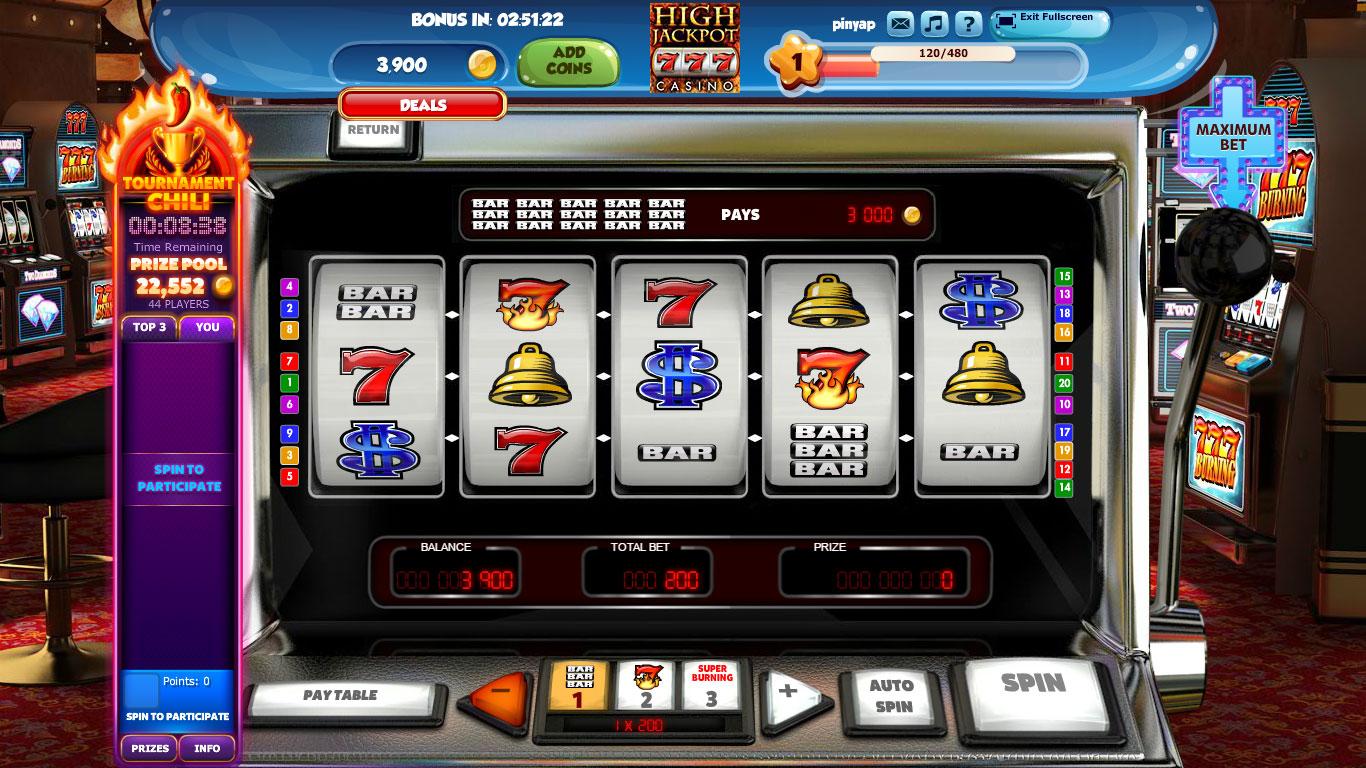
In the ever-evolving landscape of online gambling, the emergence of no verification casino no KYC crypto casinos marks a significant shift towards privacy-focused gaming experiences. No verification casinos offer players the opportunity to engage in online betting without the cumbersome processes typically associated with traditional gambling sites.

In this article, we will delve into what no verification casinos are, the benefits they provide, how they function, and their growing appeal in the online gaming community.

What Are No Verification Casinos?

No verification casinos are online gambling platforms that allow players to register and play without undergoing traditional identity verification processes. This means that users can create accounts and start wagering without having to provide sensitive personal data, such as government-issued identification or proof of address.

Often, these platforms are linked to cryptocurrency transactions, which inherently provide greater anonymity due to the decentralized nature of digital currencies like Bitcoin, Ethereum, and others. Players can make deposits and withdrawals with lesser scrutiny, which has considerable appeal for users concerned about privacy.

Benefits of No Verification Casinos

The popularity of no verification casinos can be attributed to several benefits that distinguish them from traditional online casinos. Here are some of the most notable advantages:

1. Enhanced Privacy and Anonymity

For many players, privacy is paramount. With no verification casinos, individuals can enjoy gaming without the fear of their personal information being exposed or misused. The absence of lengthy KYC (Know Your Customer) procedures means that players are not required to submit sensitive information, thus maintaining their anonymity.

2. Instant Gaming Experience

Traditional casinos often require players to provide extensive documentation before they can begin playing. No verification casinos eliminate this waiting time, allowing users to start betting almost instantaneously. Players can simply sign up, deposit funds, and dive directly into the gaming experience.

3. Faster Transactions

Transactions at no verification casinos are typically quicker due to the ability to use cryptocurrencies. Unlike traditional banking methods, which may take several days for withdrawals, crypto transactions can be processed in a matter of minutes. This speed enhances the overall user experience and satisfaction.

4. Reduced Risks of Data Breaches

With fewer personal details stored on the platform, the risk of data breaches is significantly reduced. Players can rest assured that their information is less vulnerable to hacking or unauthorized access, further bolstering the appeal of no verification casinos.

5. Accessibility

No verification casinos often have fewer restrictions regarding geographical locations and player eligibility. This opens the door for users in regions where traditional online gambling may be heavily regulated or even prohibited.

How Do No Verification Casinos Work?

The model of no verification casinos primarily revolves around cryptocurrency transactions. Here’s a general idea of how they operate:

1. Registration

Players can create an account on the casino’s website without needing to submit identification or personal data. The process usually involves providing a username, password, and email address.

2. Deposit

Players can fund their accounts using various cryptocurrencies. The transaction is usually anonymous, as it does not require any banking details, which helps maintain user privacy.

3. Gaming

Once the account is funded, players can start engaging with various games, including slots, table games, and live dealer options. The gameplay remains unhindered by verification procedures.

4. Withdrawals

Withdrawals are typically processed quickly—again using cryptocurrencies—making it easier for players to access their winnings without unnecessary delays.

Choosing a No Verification Casino

When selecting a no verification casino, players should consider several factors:

1. Game Selection

Ensure the casino offers a wide variety of games that cater to your interests. Look for platforms that include popular slots, table games, and live dealer options.

2. Bonuses and Promotions

Many no verification casinos offer attractive bonuses and promotions to entice new players. Check the terms and conditions associated with these offers to ensure they suit your playing style.

3. Customer Support

A reliable customer support system is crucial. Ensure the casino provides multiple channels for communication, such as live chat, email, or phone support, in case you encounter any issues.

4. Reputation and Reviews

Research the casino’s reputation by reading reviews and seeking feedback from other players. A trustworthy platform will have positive user experiences.

5. Security Measures

Even though these casinos do not require verification, they should still have security measures in place to protect user transactions and information, such as encryption protocols.

Conclusion

As the online gambling industry continues to adapt to changing technologies and consumer demands, no verification casinos represent a significant leap forward in promoting privacy and a hassle-free gaming experience.

By eliminating cumbersome verification processes, these platforms are carving out a niche that caters to privacy-conscious users seeking a seamless and enjoyable gambling experience. Whether you’re an experienced player or a newcomer to the world of online gaming, no verification casinos are certainly worth exploring as you navigate the exciting landscape of digital gambling.

Devamı

Razed Casino Australia: Future Trends Shaping Online Gaming

Razed Casino Australia

The online casino landscape is in constant flux, driven by technological advancements and evolving player expectations. As we look ahead, understanding these shifts is crucial for both operators and enthusiasts. The digital realm of gaming offers unparalleled opportunities for innovation, and brands like Razed Casino Australia are strategically positioning themselves to harness these changes for an enhanced player experience. Staying abreast of these developments ensures that platforms can continue to deliver engaging and secure entertainment, and you can explore some of these exciting possibilities at https://razedcasino.click/. The future promises a more immersive, personalized, and accessible gaming environment for everyone involved.

The Evolution of Player Engagement at Razed Casino Australia

Player engagement is no longer solely about the games themselves; it extends to the entire user journey and the community built around a platform. Future trends will heavily emphasize creating more interactive and social experiences within online casinos. This means moving beyond solitary gameplay to foster a sense of belonging and shared excitement among players. Innovative features designed to enhance community interaction, such as integrated social feeds, player tournaments with live leaderboards, and even virtual social spaces, are likely to become standard offerings.

Razed Casino Australia, like other forward-thinking operators, will likely invest in AI-driven personalization to tailor game recommendations, bonuses, and even the user interface to individual preferences. This bespoke approach ensures that each player feels uniquely catered to, increasing satisfaction and retention. Furthermore, gamification elements, such as loyalty tiers, achievement badges, and in-game challenges, will become more sophisticated, providing players with ongoing goals and rewards that extend beyond simple wins. The aim is to create a dynamic and rewarding ecosystem that keeps players coming back for more.

Augmented Reality and Virtual Reality: The Next Frontier

The integration of Augmented Reality (AR) and Virtual Reality (VR) into online casinos represents one of the most significant future trends, promising to redefine immersion. Imagine placing bets in a virtual poker room with photorealistic avatars or experiencing the thrill of a roulette wheel spinning in your own living room through VR headsets. AR could overlay digital casino elements onto your real-world environment, offering a hybrid gaming experience that blends the physical and virtual seamlessly.

  • Immersive VR Environments: Fully realized virtual casino floors offering a sense of presence.
  • AR-Enhanced Gameplay: Overlaying game elements or statistics onto the real world.
  • Social VR Integration: Interacting with other players and dealers in a virtual space.
  • Haptic Feedback: Advanced controllers providing tactile sensations for a more realistic feel.

While widespread adoption of VR technology still faces hardware cost and accessibility hurdles, the potential for AR to enhance existing mobile gaming experiences is substantial. As VR and AR hardware becomes more affordable and sophisticated, platforms will undoubtedly explore these avenues to offer unparalleled levels of realism and engagement. This technological leap could transform the perception of online gambling from a digital pastime to a truly tangible experience.

Blockchain Technology and Cryptocurrency: Security and Transparency

The influence of blockchain technology and cryptocurrencies on the online casino industry is set to grow, offering enhanced security, transparency, and faster transactions. Decentralized systems can provide players with greater control over their funds and data, reducing reliance on traditional banking intermediaries. This can lead to quicker deposits and withdrawals, bypassing some of the delays often associated with fiat currency transactions.

Feature Traditional Casinos Blockchain Casinos
Transaction Speed Variable, often 1-3 business days Near-instantaneous
Transparency Opaque, reliant on audits Provably fair, transparent ledger
Security Centralized servers, susceptible to breaches Decentralized encryption, enhanced security
Anonymity Requires personal verification Potential for greater anonymity (depending on crypto used)

The inherent transparency of blockchain means that game outcomes can be verified on the ledger, offering players irrefutable proof of fairness. This can significantly boost trust in online gaming platforms. As regulatory frameworks evolve, we may see a more integrated approach where cryptocurrencies become a primary payment method, offering benefits such as lower transaction fees and increased privacy for players seeking a more discreet way to gamble online. Razed Casino Australia will need to monitor these developments closely to integrate such technologies effectively.

Responsible Gaming and AI Integration at Razed Casino Australia

As the online casino industry matures, there’s an increasing emphasis on responsible gaming practices, and AI is poised to play a pivotal role in this area. Advanced algorithms can monitor player behavior in real-time, identifying patterns that might indicate problematic gambling habits. This allows platforms to intervene proactively, offering support, setting limits, or suggesting breaks before issues escalate, thereby fostering a safer and more sustainable gaming environment for all patrons.

The integration of AI extends beyond responsible gaming to enhancing the overall player experience through intelligent support systems and optimized game design. AI-powered chatbots can provide instant customer service, answering queries and resolving issues around the clock, ensuring players always have access to assistance. Furthermore, AI can analyze vast amounts of data to inform game development, predicting which features and game mechanics will be most appealing and engaging to different player segments. This data-driven approach ensures that Razed Casino Australia and similar platforms remain competitive and player-centric in their offerings.

The future of online casinos is bright, filled with technological innovations that promise to revolutionize how we play. From the immersive worlds of VR and AR to the secure and transparent foundations of blockchain, and the intelligent oversight of AI, the industry is evolving rapidly. Brands that embrace these trends will not only enhance player engagement but also solidify their commitment to security and responsible gaming. The continuous evolution ensures that the online casino experience will remain dynamic, exciting, and increasingly sophisticated for years to come, offering players more personalized and secure ways to enjoy their favorite games.

Devamı