

If you have watched the online gaming space shift over the last decade, you will have noticed a model that tries to sit between a free-to-enter promotion and a real-money table. That hybrid is what people mean when they ask for a sweepstakes casino model explained in plain English, and it matters because the rules around prizes, entries, and cash-out paths are not the same as a standard pokies session. I have spent fifteen years building slot math and simulation specs, so I look at these systems the way I would look at a paytable: what actually enters the player account, what leaves it, and where the friction hides. For an Australian audience, the practical question is less about novelty and more about whether the cashier flow, the verification steps, and the prize structure line up with how we already think about legal betting here.
How the entry-and-prize loop actually works
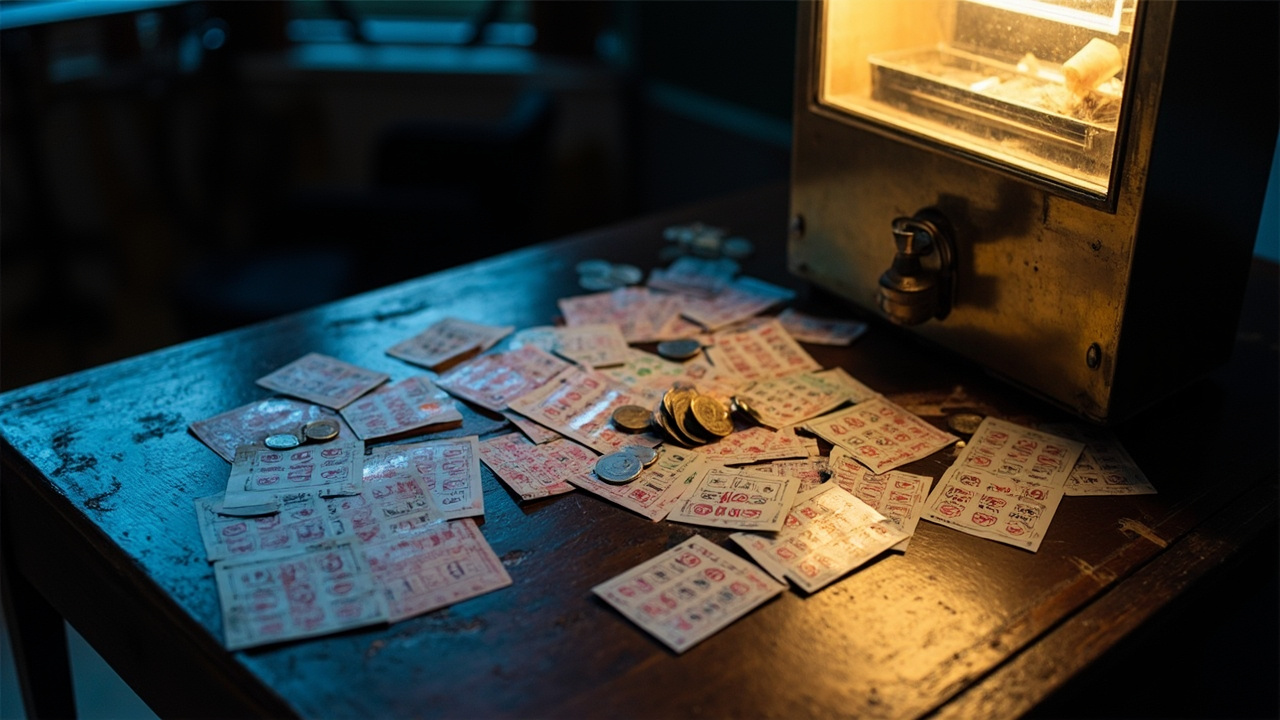
A sweepstakes operator does not usually sell spins for cash in the same way a regular casino sells a wager. Instead, it distributes entries or virtual coins through promos, purchases of themed bundles, or free daily drops, and those entries are what stand between a player and a prize draw or a redeemable balance. When I write game logic for a new slot, I start with the simulation layer because that is where probability meets the player-facing numbers, and the same discipline applies here: the advertised entry count is meaningless if the redemption rules, odds per tier, and caps are vague. In practice, a well-built sweepstakes loop separates the promotional currency from the prize currency so the operator can show a clear path from entry to payout without blurring the line between a game of chance and a contest.
The operator side of this is where the maths gets serious, because every draw, every prize pool split, and every free-entry allocation has to live inside a documented framework that can be audited. I have watched teams rush a launch and treat the prize budget like an afterthought, only to discover later that the redemption cadence cannot keep up with the entry inflow, so players end up waiting on a balance that looks available but is not actually liquid. A cleaner build treats the prize pool as a separate ledger, sets a published cadence for payouts, and makes the terms around entry expiry and tier thresholds easy to read before anyone commits time or money to the platform. That kind of transparency is what turns a gimmick into something a regular player can actually reason about.
For Australians, the comparison that helps is the one we already understand from the local lottery space, where Lotto and Powerball are run by government-linked operators and are among Australia’s most popular legal bets. Those products work because the entry, the draw, and the prize claim are all legible, and a sweepstakes casino model explained with the same level of clarity tends to feel less like a puzzle and more like a structured promotion with defined outcomes. The difference is that a sweepstakes platform usually layers in casino-style games as the entertainment wrapper around the entry system, so the fun is in the play, but the real structure is in how entries convert into prizes and how fast those prizes can be claimed.
What the cashier and prize path looks like in practice
Deposits, currencies, and the way entries reach your account
When a player first arrives, the money side usually starts with a simple purchase of a themed bundle or a promotional credit that converts into entries, rather than a straight deposit into a wagering balance. The currency is typically stated in the platform’s own coins or entry units, and a responsible operator will show the conversion rate up front so a player can see what they are actually buying before the transaction completes. From a design standpoint, I prefer flows where the purchase step, the entry allocation, and the account credit are shown in one sequence, because splitting them across hidden screens is how confusion turns into complaints. Payment methods tend to be the usual digital options, and the processing time is often faster than a traditional casino withdrawal simply because the purchase is not a wager but a buy-in to a promotional pool.
The verification step still matters here, even though the transaction is not a bet, because prize claims and cash-outs have to be tied to a verified account before any real value leaves the operator. A sensible flow asks for identity checks at the point of redemption rather than at the point of entry, which keeps the initial sign-up light while protecting the payout stage. I have seen platforms front-load every document and lose sign-ups, and I have seen others wait until the first prize claim and create a bottleneck, so the middle ground is to tell players exactly when verification will be requested and what documents are acceptable. That kind of honesty is worth more than a flashy welcome screen, especially for players who are used to clear rules in other our storefront parts of the Australian betting landscape.
Withdrawals, limits, and the real speed of a payout
The withdrawal side is where the sweepstakes model diverges most clearly from a standard casino, because the player is usually claiming a prize or cashing out a redeemable balance rather than cashing out net winnings from wagers. Processing times depend on the operator’s internal ledger and the payment rail, and a transparent operator will publish a processing window instead of implying instant results that the backend cannot actually deliver. Limits can exist on how much prize money can be withdrawn per period, and those limits should be stated in the terms rather than surfaced only after a claim is submitted. In my experience, the platforms that handle this well treat the prize claim as a separate workflow with its own status updates, so a player can see where the claim is in the queue instead of guessing.
I asked Claire Walker, Head of Live Casino, Outback Gaming Research, about this part of the model, and she noted that the prize-claim workflow needs the same discipline as a live table settlement, because any ambiguity in timing or documentation becomes a support issue very quickly. That comment lines up with what I have seen in simulations: when the claim path is clear and the processing window is realistic, players are far less likely to assume the worst when a payout takes a little time. The practical takeaway is that a sweepstakes platform should be judged on how legible its cashier and prize path is, not on how loudly it markets the entertainment side.
What this means for how you choose to play
If you are weighing up a sweepstakes platform, the first thing to check is whether the entry-to-prize path is written in a way you can follow without digging through multiple pages of terms. A good sign is a clear statement of how entries are earned, how they are spent, and what happens when a prize is won, because that is the backbone of the whole model. The second thing is the cashier flow, specifically whether purchases, entry allocation, and redemption are shown in a sequence that makes sense and whether verification is explained before you need it. A third thing is the processing reality, meaning the published window for prize claims and any limits on how much can be withdrawn in a given period, because those details tell you whether the platform is built for actual payouts or just for sign-ups.
There is also a poker-hand analogy that helps cut through the marketing noise: a flush is any five cards of the same suit, not in sequence, and the reason that distinction matters is that people often confuse a pretty-looking hand with a genuinely strong one. The same thing happens with sweepstakes platforms, where a glossy game lobby can look impressive while the prize structure underneath is thin or slow. I have built enough simulation specs to know that the numbers and the rules matter more than the skin, so the platforms worth your time are the ones that let you see the structure before you commit.
Emily Parker, Sports Betting Analyst, Southern Reef Gaming, pointed out that Australians are already comfortable with products where the entry, the draw, and the prize claim are all legible, and that comfort is a useful benchmark when you are comparing a sweepstakes platform against anything else. That is a fair point, because a model that borrows the clarity of a familiar lottery-style product tends to feel less opaque than one that hides its prize logic behind a game lobby. If you are in Brisbane and you are comparing options on a quiet arvo, the practical test is simple: can you tell, in plain language, how an entry becomes a prize and how that prize leaves the account? spinago pokies
A sweepstakes casino model explained honestly is really a model built around entries, prize pools, and a documented redemption path, with the entertainment layer sitting on top rather than replacing the structure underneath. For Australian adults who want a clear read on how money moves, how verification works, and how fast a claim can be processed, the right platform is the one that treats those details as the main event. If the cashier flow is legible, the verification stage is explained before you need it, and the prize-claim window is realistic rather than marketed as instant, the model can make sense for players who value transparency over flash. If any of those pieces are vague, the entertainment is still there, but the reason to stay is weaker, and that is the judgement call I would make after fifteen years of looking at how game logic and payout logic actually hold up.